Top 6 Commodities Every Trader Should Understand
Financial markets extend far beyond stocks and currencies. Some of the world’s most actively traded assets are physical resources that influence everything from inflation to food prices. For anyone interested in commodities trading, understanding what moves these markets is often more valuable than memorizing technical indicators.
Not every commodity behaves the same way. Gold reacts differently from crude oil, while agricultural products often respond to weather rather than central bank decisions. Learning these differences helps traders recognize why one market may be surging while another barely moves.
1. Precious Metals
Gold remains one of the first assets investors buy during periods of uncertainty. When banking concerns, geopolitical tensions, or inflation fears increase, demand for gold often rises alongside them.
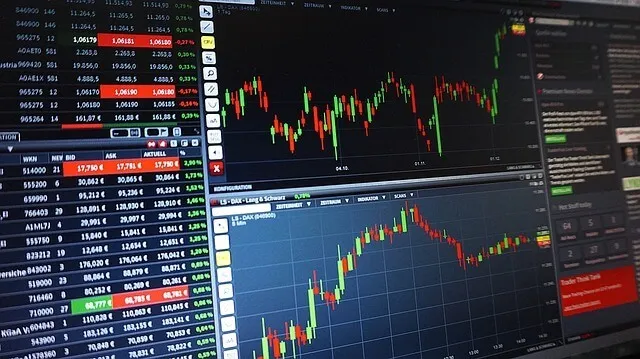
Image Source: Pixabay
Silver shares many of those characteristics but has an industrial side as well. Its use in electronics and solar panels means manufacturing demand can influence prices just as much as investor sentiment.
2. Energy Markets
Crude oil is among the most closely watched commodities because it affects transportation, manufacturing, and consumer prices worldwide. Supply decisions by the Organization of the Petroleum Exporting Countries can shift prices within hours.
Natural gas deserves equal attention, especially during winter months when heating demand increases. Weather forecasts can become market-moving events almost overnight.
During the energy price surge following the conflict in Eastern Europe, traders saw oil prices swing dramatically from one session to the next as supply expectations changed. News headlines mattered, but so did inventory reports and shipping disruptions.
3. Agricultural Commodities
Corn, wheat, soybeans, coffee, and sugar may appear less exciting than oil or gold, yet they often experience sharp price movements driven by weather patterns and harvest forecasts.
A drought in a major producing region can reduce expected supply long before crops are harvested. Traders who monitor seasonal conditions frequently spot developing trends earlier than those watching charts alone.
One counterintuitive reality is that an excellent harvest can push prices lower because increased supply outweighs stronger production.
4. Industrial Metals
Copper is widely viewed as a measure of global economic activity because it is used in construction, manufacturing, renewable energy, and electrical infrastructure.
According to the International Energy Agency, achieving global clean energy goals will require substantially higher demand for minerals such as copper over the coming decades. Long-term structural demand is becoming an increasingly important factor for traders evaluating industrial metals.
Aluminum and nickel also deserve attention, particularly as electric vehicle production continues expanding.
5. Livestock Markets
Cattle and hog futures receive less media coverage, but they reflect changes in feed costs, consumer demand, and disease outbreaks.
These markets sometimes move independently from financial assets, providing opportunities for traders looking to diversify beyond traditional sectors.
6. Soft Commodities
Coffee, cocoa, cotton, and sugar are heavily influenced by weather and growing conditions in a relatively small number of producing countries.
For example, frost forecasts in Brazil frequently affect coffee prices because the country remains the world’s largest producer. A single weather event can quickly change supply expectations.
Why Diversification Matters
Many new traders focus on only one market because it feels familiar.
A broader watchlist often provides better opportunities. Different commodities respond to different economic forces, making it less likely that every market will move in the same direction at the same time.
When comparing markets, pay attention to factors such as:
- Seasonal demand and production cycles.
- Weather forecasts in major producing regions.
- Inventory reports and supply data.
- Geopolitical developments affecting exports.
These variables often explain price movements before technical indicators fully reflect changing market conditions. Understanding what drives supply and demand makes market behavior easier to interpret instead of appearing random.
Successful commodities trading is not about mastering every market at once. It is about recognizing which economic forces influence each commodity and knowing where to look before placing a trade. Building that foundation allows traders to evaluate opportunities with greater context rather than relying solely on price charts.