Night Shifts and FX Trading Now Go Hand in Hand in Turkey
A large night-shift workforce in Turkish manufacturing plants, call centers, hospitals and security services keeps a significant part of the country’s labor market awake while much of the population sleeps. That unusual schedule has created an unexpected overlap with global currency markets, as trading activity involving major currency pairs can continue during hours when night-shift workers are between tasks and have periods of downtime.
FX trading can fit this schedule in ways that traditional day-shift employment does not. A security guard monitoring an office building at three in the morning or a manufacturing worker overseeing an automated production line during a quiet overnight run may have more uninterrupted time to check market information than someone working a conventional office job. Some workers use those breaks to review currency positions, adjust existing orders or follow international developments that could affect the Turkish lira.
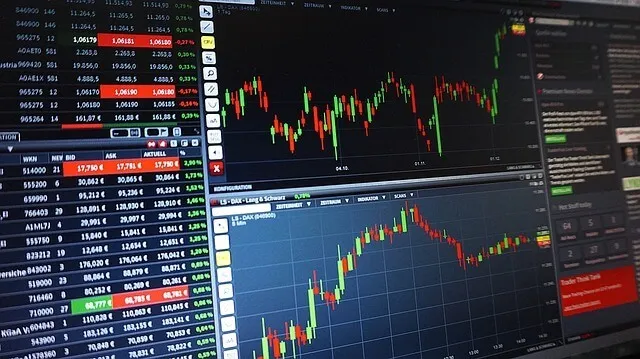
Image Source: Pixabay
Call-center employees who work with international customers experience an especially interesting version of this overlap. Their schedules may already correspond with European or American business hours, meaning periods between customer calls can coincide with active trading sessions. The relationship is largely accidental, but it gives some employees opportunities to follow currency markets during parts of the day when workers in domestically focused industries are normally occupied.
Brokerages have noticed that this audience keeps different hours from the traditional nine-to-five retail investor. Some have adjusted customer support schedules or released educational material at times that better accommodate overnight workers. Others have pointed to the existence of world markets during the overnight hours and noted that a time that traditionally is considered to be quiet by conventional financial marketing can actually be a key engagement window for this particular group.
Some downtime during a shift can be convenient, but that does not necessarily mean optimal trading conditions. You can get tired overnight, quite possibly. Workers starting a shift warning may find it hard to focus before sunrise and this could impact their capacity to accurately interpret market information or handle existing positions.
Some night-shift workers have therefore developed personal rules about when they are willing to trade. They may review markets during the earlier part of a shift but avoid opening or actively managing positions when fatigue becomes pronounced. Others prefer to prepare orders in advance rather than make decisions when their attention is divided between employment responsibilities and market movements.
The risk-management challenge is particularly relevant when leverage is involved. A tired trader may have less capacity to respond calmly to unexpected price movements or reconsider a position that is moving against them. Financial educators working with this demographic have increasingly treated fatigue as another factor that can influence decision-making, alongside more familiar concerns such as leverage, margin and volatility.
Regulatory requirements do not change simply because someone trades at three in the morning. However, the practical circumstances surrounding a trade can differ considerably depending on the trader’s physical and mental state. Someone trading during dedicated leisure time may be able to concentrate fully, while a night-shift employee could simultaneously be responsible for customers, machinery, patients or workplace security.
This distinction has encouraged some educators to frame overnight trading as a scheduling issue as much as a financial one. Having access to global markets around the clock can provide flexibility, but flexibility does not eliminate the need for adequate rest and attention. The fact that a worker has an opportunity to check a position does not necessarily mean that the opportunity should be used.
The connection between night-shift employment and FX trading is ultimately less the result of deliberate financial planning than an accidental overlap between two different schedules. Turkey has a large overnight workforce that operates during times when the global currency markets are open, and this creates a unique group of retail traders with trading habits shaped by unusual hours.
Overnight workers are starting to be seen by brokerages as a distinct demographic, rather than merely another kind of retail trader. But those schedules also mean fatigue and attention risks that make disciplined trading practices particularly crucial, even if they may offer unusual access to market activity.

Comments