How South Korean Traders Fit Forex Around Professional Schedules
When Korean retail participants are asked about the primary obstacle to maintaining a trading practice, the answer is most often the same: time. Professional culture in South Korea is characterized by long working hours across most industries and workplace cultures that expect presence beyond standard working hours. In that context, interest and capital alone are not sufficient; a structured approach to time management is equally necessary. Trading cannot be left to whatever time remains after professional obligations but requires a deliberate method built around precise windows to trade forex. That constraint has not prevented Korean retail participation from growing, but it has shaped the form that participation takes in ways that distinguish Korean traders from those in markets with more flexible working cultures.
While the Asian session alignment offers theoretical advantages for Korean traders, the practical reality requires nuance. The Tokyo session does not begin until nine in the morning Korean Standard Time, which coincides with the start of the Korean working day. The early Asian session hours that offer genuine trading opportunities for won pairs and yen crosses are largely unavailable to those working standard office hours. Traders who have built profitable practices around professional schedules typically focus on the evening window created when the late Asian session overlaps with the early European session, which begins around 3 to 4 PM Korean time and extends through the evening. That overlap window has become a focal point around which many Korean traders have organized their entire trading routine.
For Korean traders managing positions around professional commitments, mobile trading infrastructure has become a genuine enabler. The MetaTrader mobile application and comparable platforms allow traders to monitor positions, manage alerts, and execute trades between professional responsibilities. A Korean trader who opened positions the previous evening can review exposure during lunch, adjust stop levels during a commute, and monitor developing trades between afternoon meetings without requiring time at a dedicated trading station. This distributed approach to session management has become an accepted working method within Korean trading communities rather than an exception, and the volume of forum discussion dedicated to mobile workflow optimization reflects how central it has become to the way Korean traders operate.
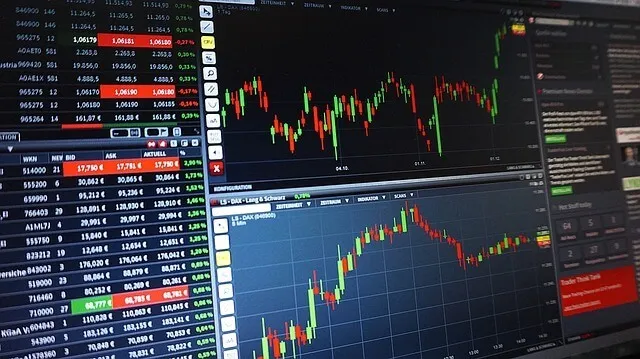
Image Source: Pixabay
The time constraints have shaped a set of strategic choices that reflect the collective resourcefulness of Korean trading communities. Those unable to monitor markets during the trading day have gravitated toward swing trading strategies executed on four-hour or daily charts, automated systems that handle entry and exit decisions according to predefined rules, or position trading frameworks that involve evening analysis and periodic intraday management. One of the more consistently shared pieces of community wisdom is the importance of matching strategy timeframes to realistic monitoring availability, a principle newer Korean participants encounter early in their development and one that experienced members reinforce regularly.
Weekend preparation sessions have become a standard feature of the Korean trading week, and many Korean traders who trade forex around professional schedules dedicate Sunday evenings to planning the week ahead. During these sessions, participants review the economic calendar, assess key levels on their traded instruments, set conditional orders where appropriate, and configure alerts for situations that require attention during hours when active monitoring is not possible. Korean trading communities have reinforced this habit by sharing weekly preparation frameworks and calendar summaries, reducing the individual burden of preparation and establishing a shared analytical starting point for the week.
What the Korean retail trading culture has demonstrated is that maintaining an active trading practice alongside full-time professional employment is achievable with sufficient structural thinking. The traders who have sustained that practice over years through demanding careers are not those who found extra time but those who structured their trading to fit within the time professional life reliably allows.

Comments