Condusef Warnings Trail Behind the Spread of Online Forex Trading Scams Targeting Mexicans
Fraudulent trading platforms can appear, collect deposits, and vanish within the span of a few weeks. By the time a public warning names them, many have already rebranded under a new domain, a new logo, and a slightly altered company name. That timing problem sits at the heart of Mexico’s struggle with investment scams, and it explains why official alerts so often read like records of damage already done rather than shields against it. CONDUSEF publishes regular notices about suspected fraudulent entities and firms impersonating authorized financial institutions. The CNBV issues its own alerts, and both agencies encourage the public to check registries before handing over money. These efforts are genuine and useful, yet they depend on complaints, investigations, and verification procedures that inevitably take time. Scam operators, meanwhile, need only a website template, a payment processor, and a few paid advertisements to start operating.
Social media has become a major recruiting ground for online forex trading scams. Some investment ads on Facebook, Instagram, and YouTube claim people can make money every month. The screenshots of trading profits used in these ads are often fake. Some even use altered videos of public officials or businesspeople, with Pemex’s name appearing in the promotion.
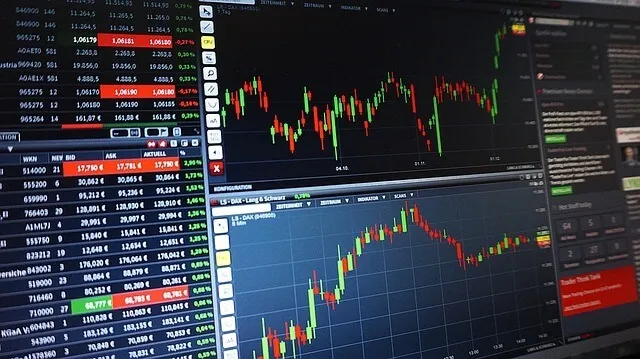
Image Source: Pixabay
Scammers often start by adding people to WhatsApp or Telegram groups. Someone posing as an account manager then asks them to deposit a small amount. The trading account shows a profit soon afterward, and some victims are even allowed to withdraw a little money. That makes it easier to convince them to deposit more. Requests for larger deposits follow, and withdrawing money from the account becomes impossible once balances grow, with new fees, tax charges, or verification steps appearing each time the client asks for money back.
Losses rarely end there. After losing money, some victims are contacted by people offering to get it back. They may claim to be lawyers, regulators, or police officers, but they ask for payment before doing anything. These follow-up scams target people already under financial stress, and they are discussed in Spanish-language forums where victims compare experiences. Experienced members repeatedly warn that legitimate authorities do not charge fees to recover stolen money.
The overlap with legitimate trading makes the problem harder to address. Scam websites can look much like those of real brokers. They advertise online, assign account managers, and show trading balances on professional-looking dashboards. The difference often becomes clear when someone promises guaranteed profits or pushes for an immediate deposit. A broker that won’t provide license details or asks for payment to a personal bank account or crypto wallet is another reason to be suspicious.
Public education has slowly expanded. CONDUSEF runs awareness campaigns and maintains a fraud portal, and some Mexican financial educators now devote entire videos to dissecting scam advertisements. Banks may flag unusual transfers to suspicious recipients, and platforms periodically remove fraudulent ads after reports. None of these measures fully closes the gap, but they may help people identify suspicious schemes. Speed favors the fraudster, while verification favors the cautious. Anyone considering online forex trading in Mexico can narrow that gap by checking a firm’s authorization before depositing, treating unsolicited offers with suspicion, and assuming that a warning list will always lag behind the newest scam.